By
Gustav Haaland
-
When insurance becomes an asset-quality factor: what rising premiums mean for real estate
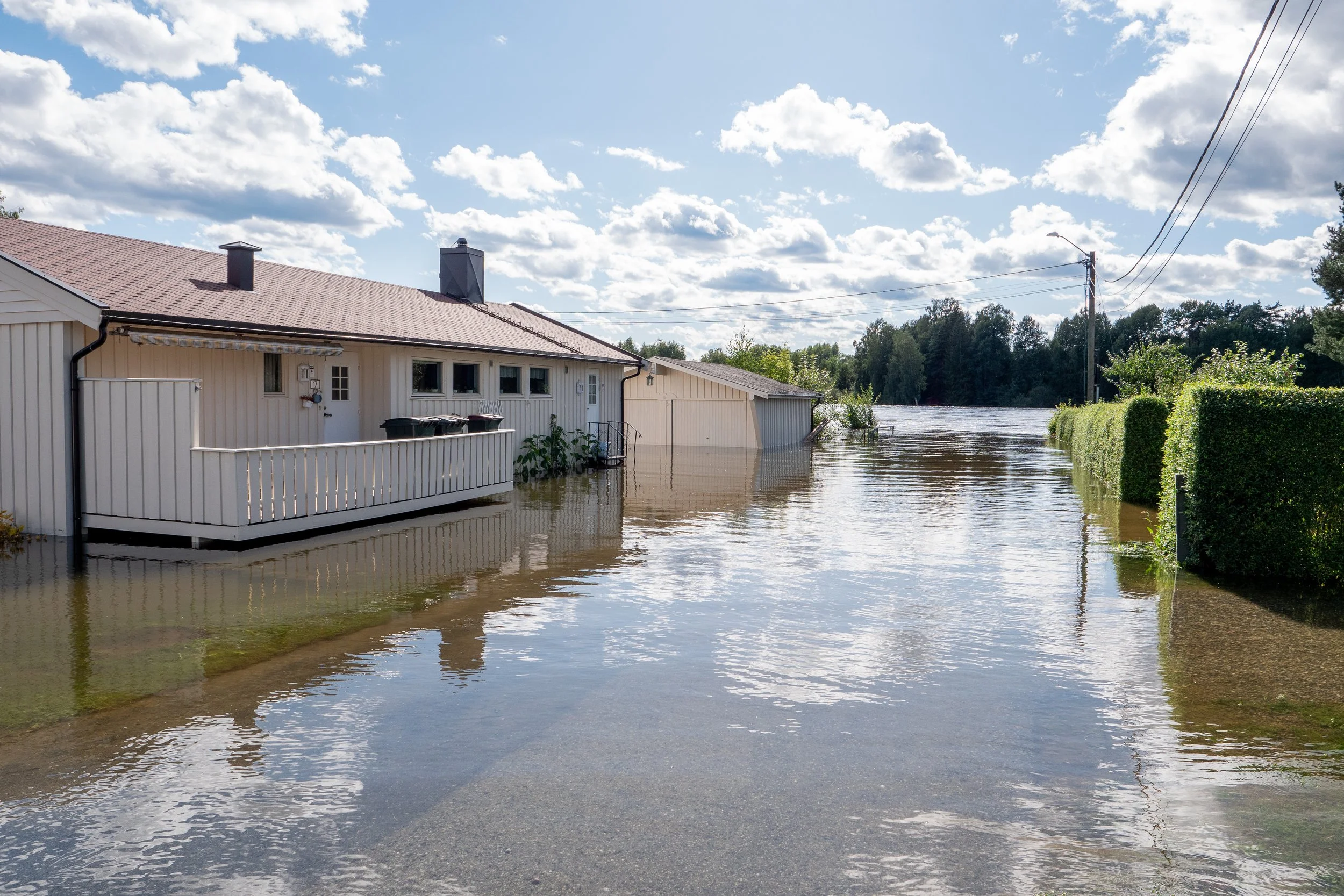
Insurance costs are rising faster than income. In Norway, premiums increased 16.6% year-on-year while general inflation was 3.6%. For real estate owners, this is not a marginal adjustment — it is a structural change in operating costs that directly affects asset value, financing conditions, and liquidity.
In Norway, insurance prices increased by 16.6% year-on-year from January 2025 to January 2026, according to Statistics Norway (SSB). In the same period, general inflation was 3.6%. From December to January alone, premiums rose 4.8%.
This is not a marginal adjustment. It is a structural change in operating costs.
For real estate owners, insurance is no longer just an administrative requirement. It is becoming a factor that influences asset value, financing conditions, and liquidity — and one that connects directly to the wider insurance gap affecting banks and property markets across Europe and the United States.
Premiums are rising faster than income
Property value depends on stable income and predictable costs. When insurance premiums increase significantly faster than general inflation, they affect net operating income, yield expectations, refinancing assumptions, and buyer due diligence.
This shift happens before any property becomes uninsurable.
The WWF report Tackling the Insurance Protection Gap shows that in the EU, the gap between total economic losses and insured losses averaged €59 billion per year (2021–2023). This indicates that losses are increasing faster than insured coverage.
Premium growth in Norway should be understood in this broader context. Insurers are repricing risk based on higher claims costs, more frequent damage events, and structural market conditions. For owners, this translates into higher and less predictable operating costs.
Insurance affects liquidity before value
Insurance constraints rarely appear as sudden market exits. More often, they emerge gradually through higher premiums, increased deductibles, narrower coverage, and more detailed underwriting requirements.
Even moderate tightening affects transaction processes. Lenders and buyers increasingly review insurance terms as part of due diligence — a dynamic explored in depth in When collateral can't be insured: what the insurance gap means for credit risk. If coverage becomes materially more expensive or uncertain, financing assumptions change.
Liquidity often tightens before valuations visibly adjust.
Public backstops support stability but don't remove exposure
Norway's Naturskadepool ensures that natural hazard coverage remains part of property insurance. The UK's Flood Re scheme serves a similar purpose for high-risk flood areas. These systems support market stability. At the same time, they reflect that private risk transfer is under pressure.
WWF highlights that governments increasingly absorb disaster losses when insurance coverage is insufficient. As public expenditures rise, fiscal capacity may become constrained. Real estate markets depend on both private insurance capacity and public financial resilience. If either weakens, property markets are affected through financing conditions, infrastructure investment, and long-term planning decisions.
Early insight preserves flexibility
Insurance pricing is a signal. When premiums rise sharply, it indicates changing risk conditions. Property owners who understand their exposure early have more options.
Early screening of physical risk allows owners to prioritise mitigation investments, document risk reduction measures, engage insurers and lenders proactively, and adjust portfolio strategy where needed. Not all risks can be eliminated. Some locations will face increasing constraints over time. But understanding exposure early improves decision quality and preserves flexibility.
Insurance is no longer just a compliance requirement. It is becoming an asset-quality factor that influences long-term value and financeability.
A closing reflection
What happens when insurance premiums outpace rental income growth across entire regions?
How do real estate investors price assets when insurance costs become structurally unpredictable?
And which properties will retain their value when insurance availability becomes scarce — and which will not?
These questions are no longer hypothetical. They are becoming central to asset allocation, portfolio strategy, and long-term planning for real estate owners navigating a market where insurance is shifting from cost center to value driver.
Sources and references
Statistics Norway (SSB), reported via FinansWatch (2026): "Kraftig hopp i forsikringsprisene" (Insurance prices +16.6% year-on-year; +4.8% month-on-month; general inflation 3.6%)
WWF (2026). Tackling the Insurance Protection Gap – Focus on Advanced Economies. (EU protection gap €59 billion/year; systemic implications for real estate and public finances.)
Norwegian Natural Perils Pool (Naturskadepool) https://www.naturskade.no
UK Government – Flood Re https://www.gov.uk/government/organisations/flood-re


Get the newsletter
Climate risk trends, product updates, and the methodology behind the numbers, straight to your inbox.
